DDX San Diego ’26 · Conference Report
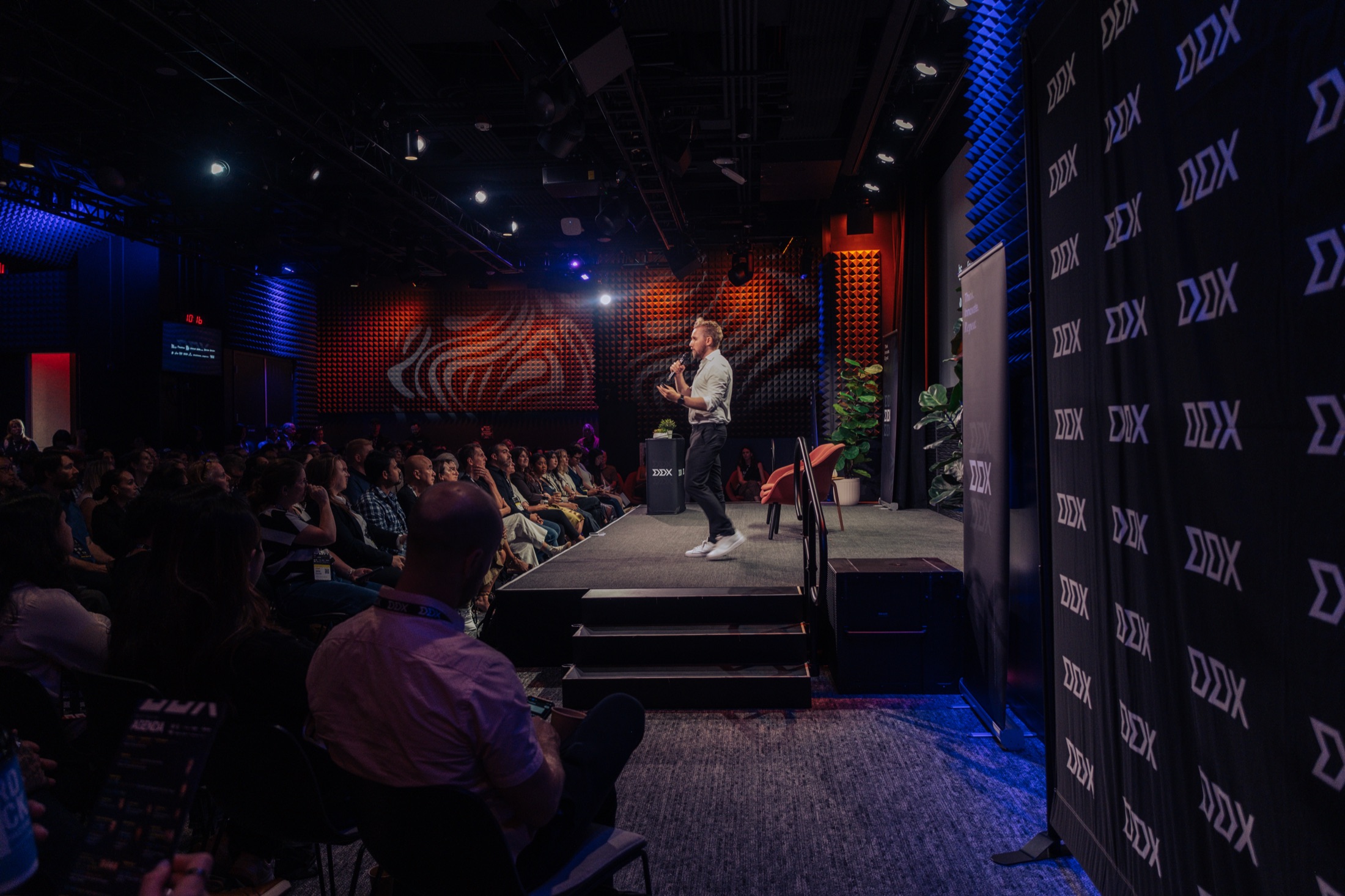
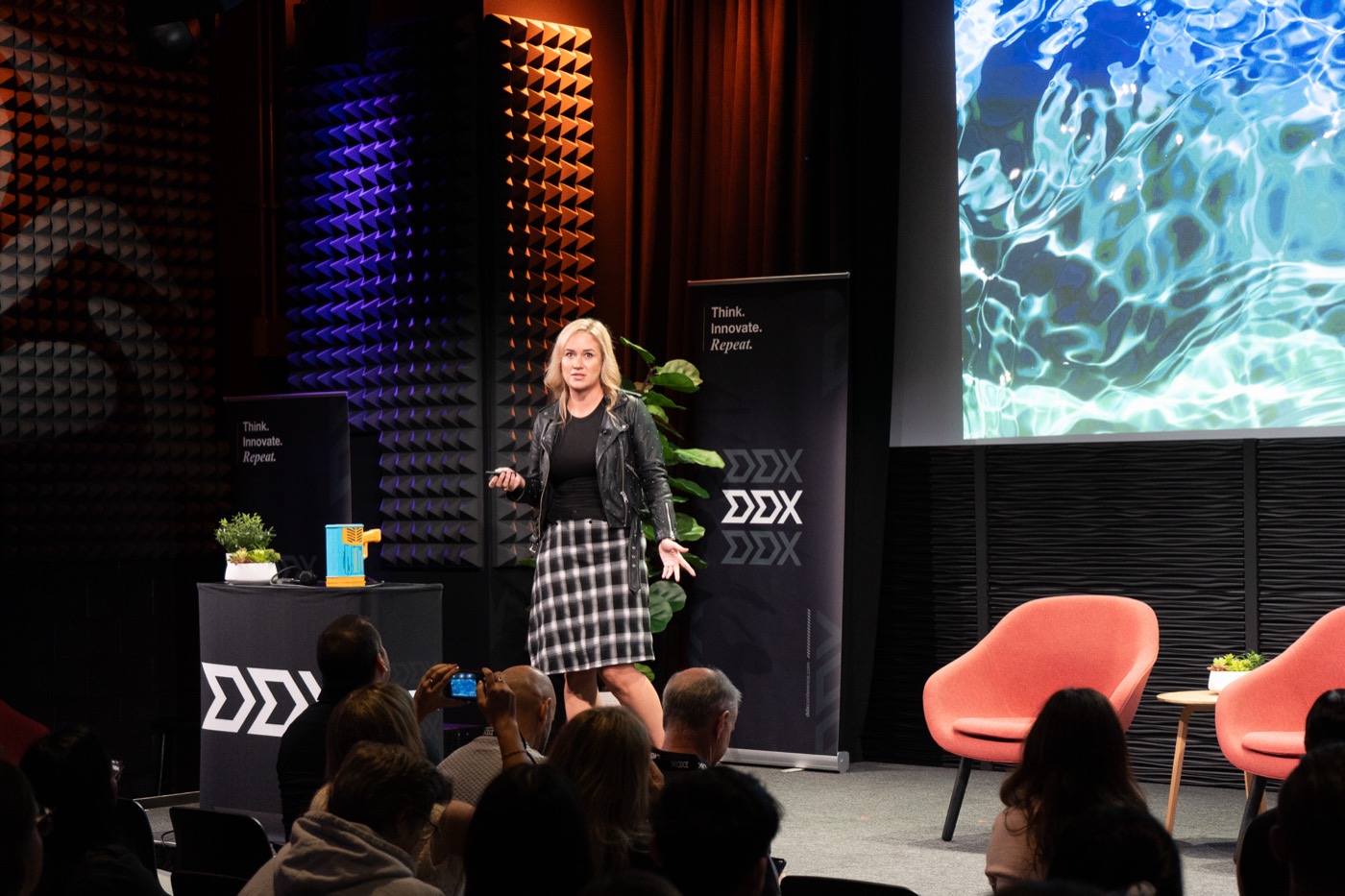
The Guggenheim Theatre at UC San Diego Park & Market during DDX'26 San Diego Photos · Desmond Chua & Nicole Gosé
Conference report17 September 2026

The
Inflection
Point

DDX’26 San Diego UC San Diego Park & Market Design & Product Leaders Exchange on the Future of Digital Innovation
In brief

One day, three stages, one question

If AI can produce “good enough” design on demand, what is the job of a design and product leader now? DDX’26 San Diego put that question to twenty-five leaders from Adobe, Google, IDEO, Webflow, Otter.ai, Target, Netflix, Careem, TaylorMade, Marvin, Dscout and the Obama White House, and to a room that came to argue back.

The answer that emerged was consistent across talks, panels, workshops and the nine table talks that ran through the breaks: the tools raised the floor, not the ceiling. Taste, judgment and a durable point of view are the scarce resources. Research has to become always-on. And design is moving out of the interface and into decisions, organisations and the experience the business itself has become.

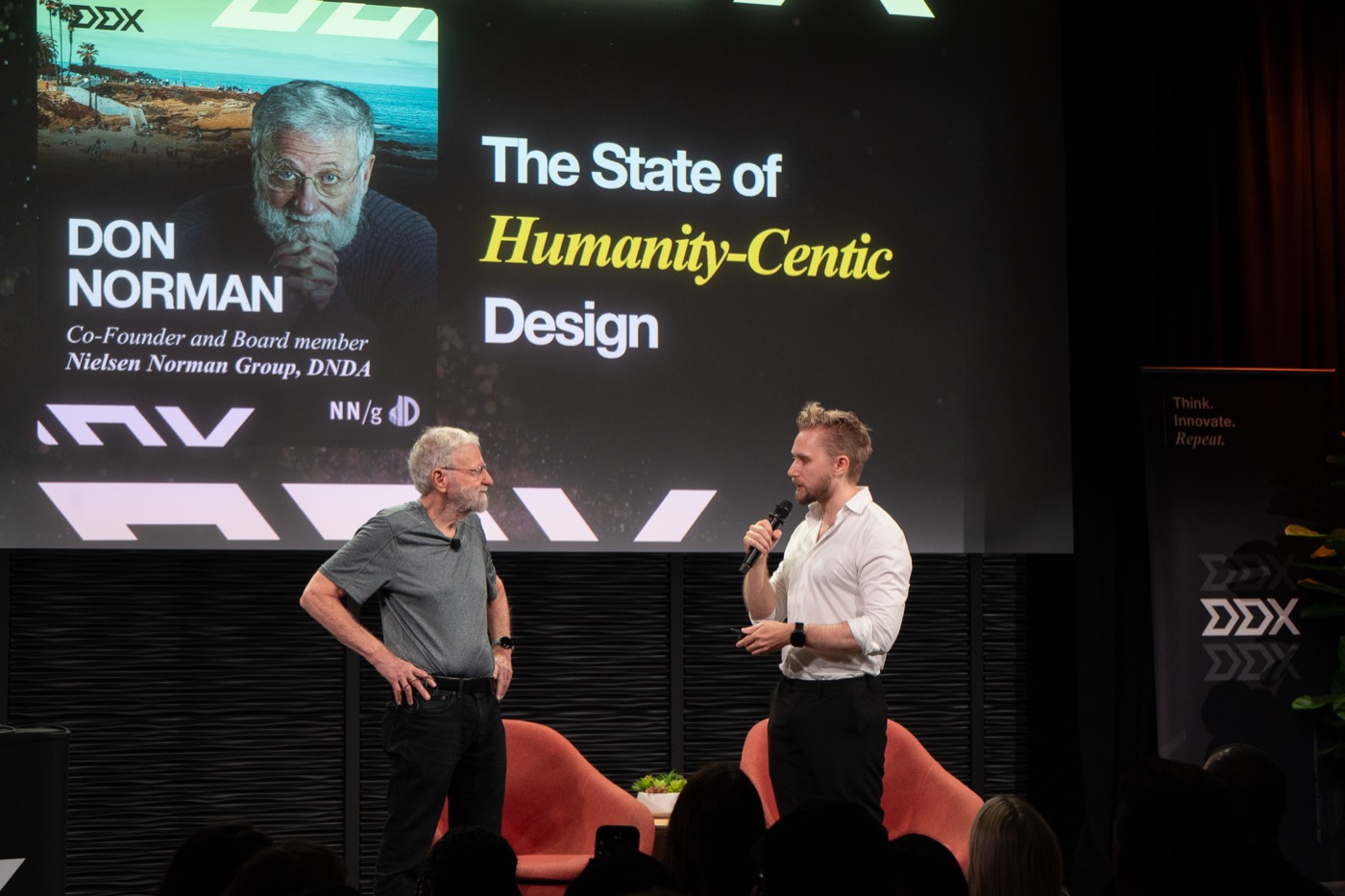
Don Norman opened the day with a fireside chat on the state of humanity-centred innovation. The closing panel put three enterprise design leaders on one stage to compare the expectations of the role with its reality in 2026. In between, the programme deliberately ran research, craft and strategy side by side, so that a golf-equipment AI feature, a Fortune 500 design organisation and a career sandbox sat in the same hour.

25Speakers on stage
3Stages in parallel
3Panels
6Workshops
9Table talks
1Fireside with Don Norman
300+Leaders registered
3,000+DDX alumni worldwide

What the room agreed onFive threads, with the 2026 evidence behind them

The floor rose. The ceiling didn’t move.

Good is free now. Great is the job.

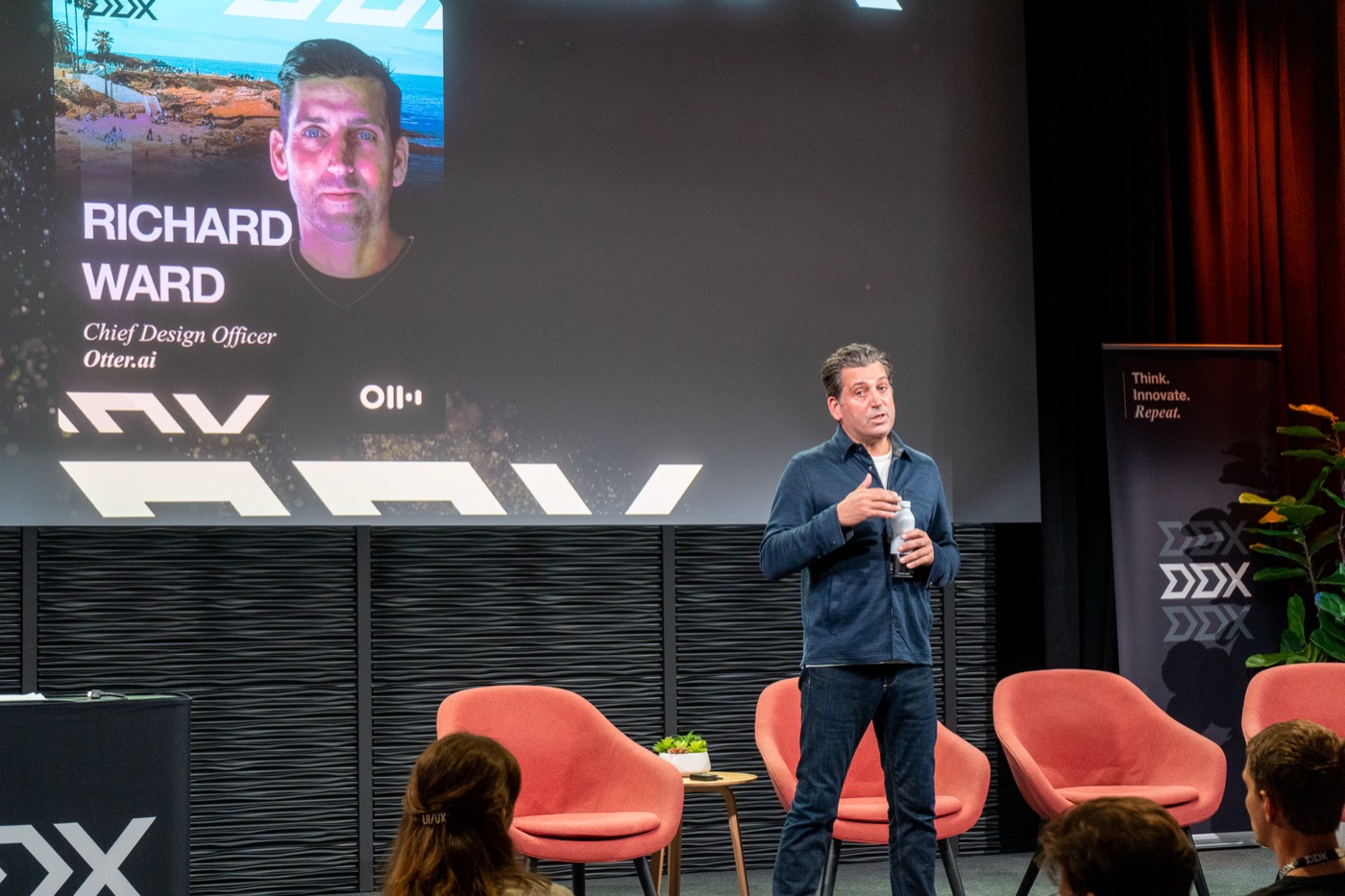
The most-repeated argument of the day came from two stages at once. Richard Ward called the “death of design” narrative backwards: when everyone can clear the bar for good, the differentiator is knowing what great looks like and having the taste, judgment and craft to reach it. Kevin Wong went further: AI has not changed design, it has exposed how little depth most organisations were designing with. His framework, recognition (taste plus judgment) and commitment (a durable point of view), was echoed at the tables, where Jaleesa Chagan framed the edge as a shift “from capability to conviction”.

Research stops being a project and becomes a pulse.

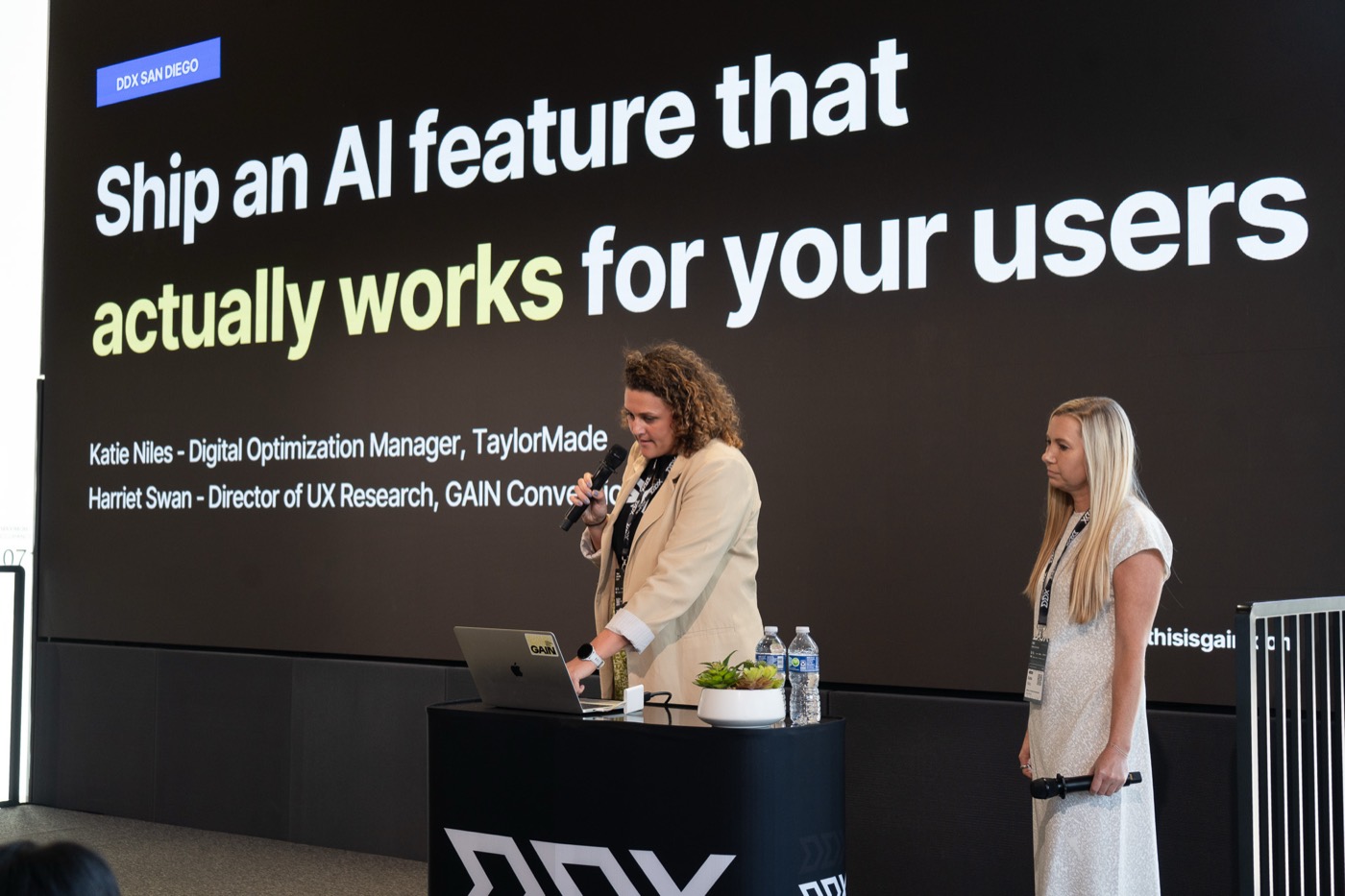
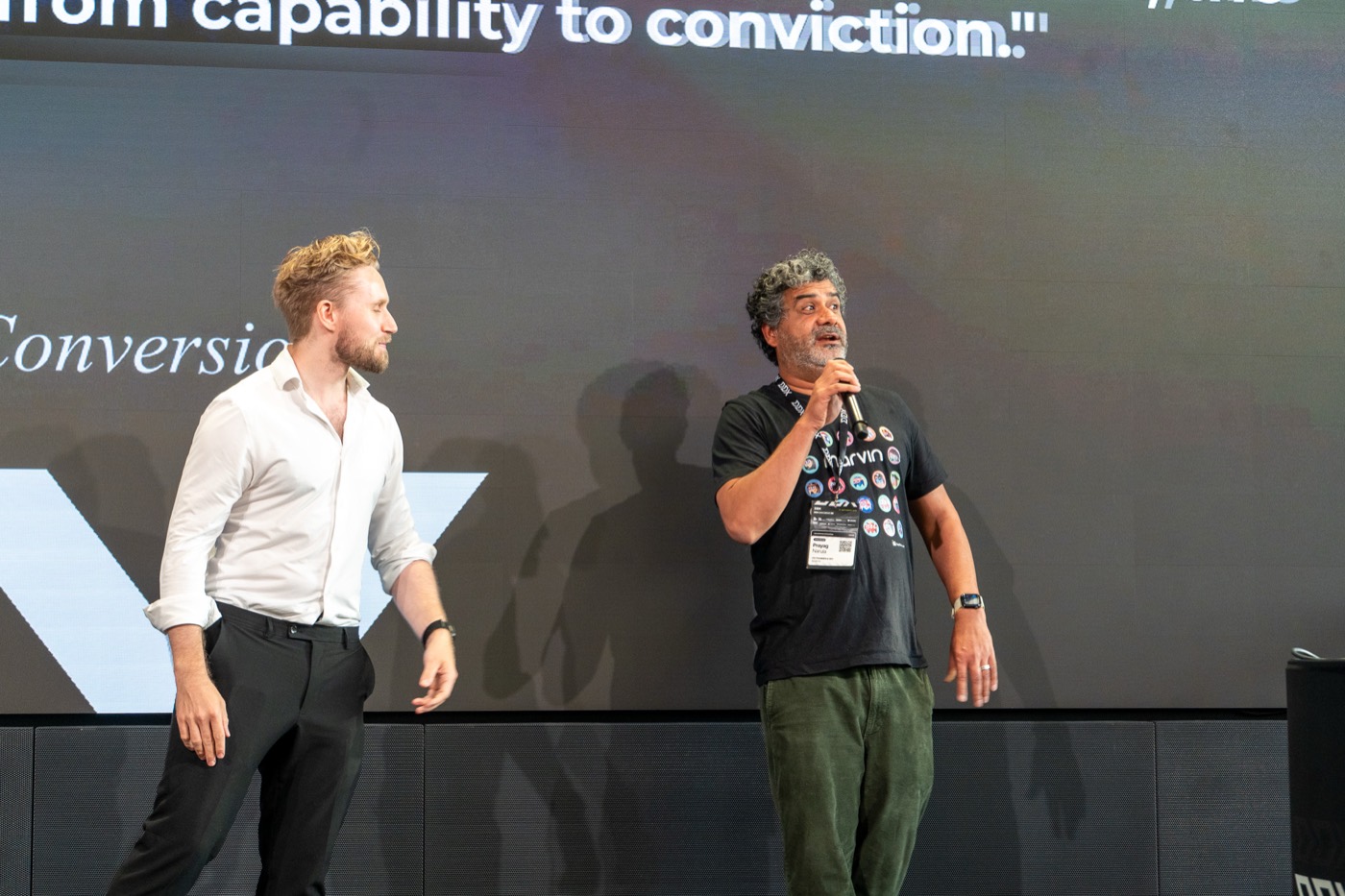
Prayag Narula’s case for always-on research set the tone for the Forum stage: when teams ship weekly, episodic studies arrive after the decision. Harriet Swan and Katie Niles showed what that looks like in practice with TaylorMade’s AI caddie, CHIP: exploratory research to decide what it should say and do, A/B tests to find the features that moved engagement, and evaluative research to catch what the tests alone could not, including the inconclusive results. Bhavik Gandecha’s table talk put it in one line: AI moves fast, research still has to lead.

Design leaves the screen: decisions, systems, organisations.

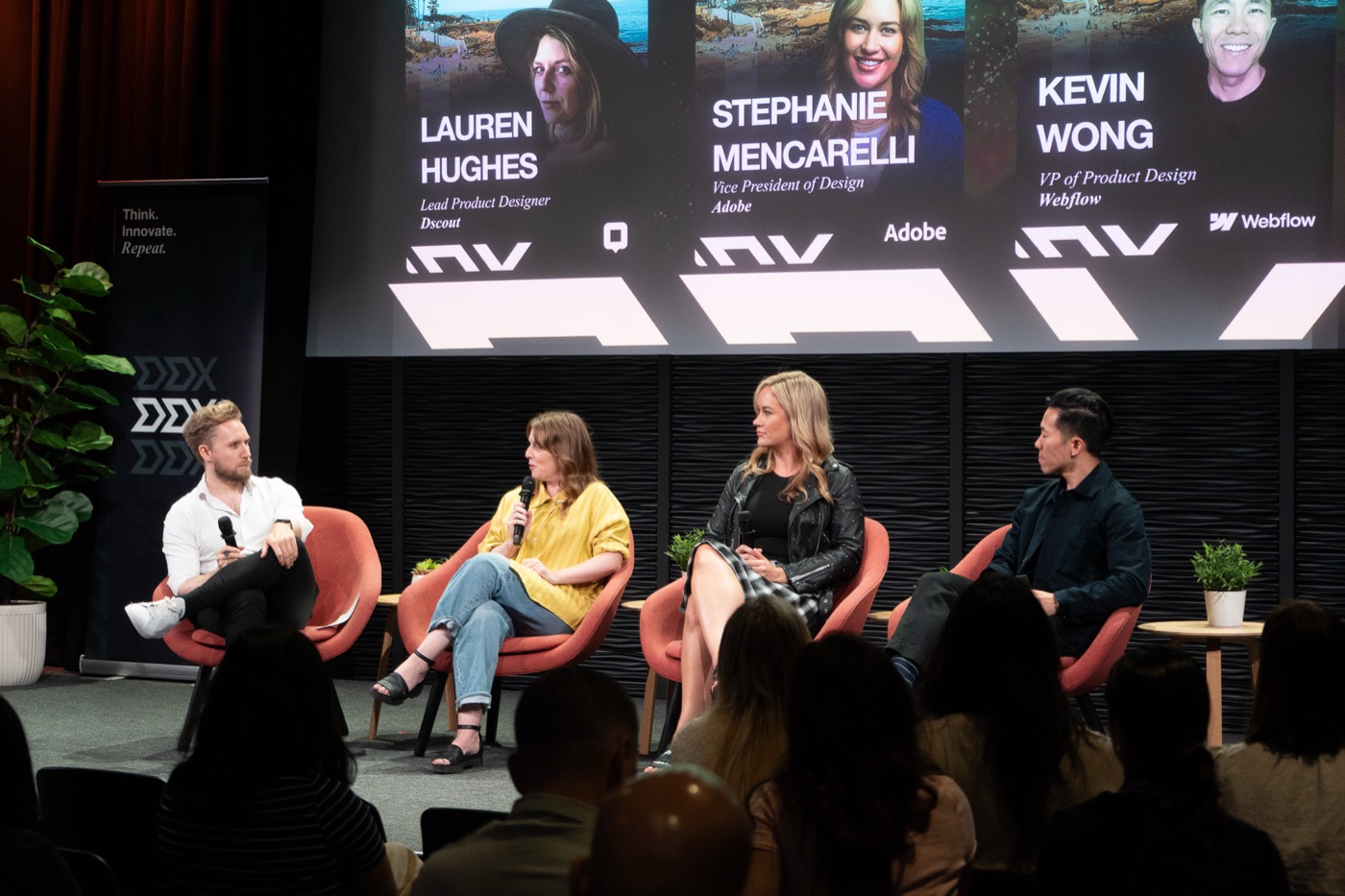
Chris Gielow’s workshop asked designers to stop designing screens and start designing decisions, and to measure their value by the influence they have on what gets built, not by the deliverables they produce. Twisha Shah-Brandenburg took the same move one level up: AI transformation succeeds or fails on fragmented systems, invisible labour and unclear ownership, so the design brief is now the organisation itself. On the closing panel, Lauren Hughes, Stephanie Mencarelli and Kevin Wong compared the expectations placed on enterprise design leaders in 2026 with the reality of the role.

The human stays irrational, and irreplaceable.

Don Norman opened the day on the state of humanity-centred innovation; Rowan Salama closed the loop with the reminder that the rational user most products are designed for does not exist, and that AI’s best use is to understand the “beautifully irrational” ways people actually decide. Stephanie Mencarelli argued that as machines generate more, human originality becomes the scarce resource worth protecting, which is why her talk made joy, not productivity, the metric. Kara Fitzpatrick’s version on the culture panel: AI can read the deck, it cannot read the room.

Context is the asset. The experience is the business.

Two ideas from the tables and the late-afternoon stage belong together. Diana Wolosin’s “context engineers” talk argued that models and tools change weekly while well-structured knowledge compounds; AJ Azzi’s MCP roundtable showed the same thing from the tool side, with AI reaching into the systems teams already work in. Scott Robinson asked who we design for when an agent is the one browsing and buying. And the Experience Economy panel, with Ann Kostopanagiotou, Twisha Shah-Brandenburg, Diana Wolosin and Dave Rowley, drew the conclusion: digital experiences are no longer a layer on the business, they are the business.

In their wordsSpeakers on the future of innovation

Fifteen positions on the future

I strongly believe we are entering a new design renaissance. For years, the industry focused on optimizing convenience and automating the easy things, while leaving humans with the most complex, emotional, and fragmented parts of work. AI is exposing the limits of that approach. The next era of innovation will not belong to the companies that automate the fastest, but to those that intentionally design systems in which humans and intelligent technology can learn, adapt, and make better decisions together.
Twisha Shah-BrandenburgPrincipal, Target · Workshop “From Optimizing Interfaces to Designing Organizations”
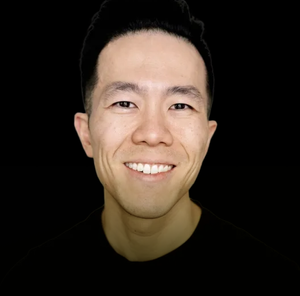
Democratized tools didn't lower the bar for great design. They raised it, because now everyone can clear the bar for good. Leading with “why,” not just shipping fast, is what will separate great teams from everyone else.
Richard WardChief Design Officer, Otter.ai
As AI becomes more capable and generates more machine output, human originality becomes a scarce resource. We need to protect and foster the conditions where humans can continue to create original ideas.
Stephanie MencarelliVice President of Design, Adobe
The future of innovation isn’t just about how fast technology evolves — it’s about how deeply we understand the humans evolving alongside it. We can use AI and emerging technology not to remove the human from the process, but to understand human behavior better and design for the beautifully irrational ways people actually think, behave, and make decisions.
Rowan SalamaLead Product Researcher, Careem (Uber)
While AI can read a deck, a doc, a website, your emails… it can’t read the room. AI is a tool, just like the internet was a tool. It may augment us, but it can never replace us.
Kara FitzpatrickDirector of Design & Product, Obama White House
I believe the future of digital innovation depends on making customer research part of the customer experience itself. As organizations move faster with AI, research must shift from slow, episodic projects to an always-on practice that stays one step ahead, helping teams see around corners, make better decisions, and know where to invest next.
Prayag NarulaCo-founder and CEO, Marvin
People are chasing the next model or the next tool, but the winners of this era will be those who invest in curating and structuring their context and their knowledge, because tools change every week, but context never gets old.
Diana WolosinSr. AI Systems Architect, Ads · Netflix
I believe the future of design belongs to those who move beyond creating interfaces and toward shaping decisions. As AI transforms how products are built, our greatest opportunity is to expand our influence through strategy, systems thinking, and human-centered leadership.
Chris GielowPresident, UX Speakeasy
As AI makes building almost anything much more accessible, the real competitive edge shifts from capability to conviction. It's getting easier for everyone to end up with the same experiences and interfaces, so having a clear point of view, and the trust it builds, becomes the actual differentiator.
Jaleesa ChaganSenior UX Researcher, GAIN
I believe the Experience Economy is reshaping how brands compete: digital experiences are no longer a layer on top of the business — they are the business.
Ann KostopanagiotouManaging Director, Mondo Robot
We are starting to think about designing webpages not just for users, but for LLMs, and keeping a pulse on how user behavior and attitudes are changing will continue to be integral to ensure we are building digital experiences which align with what matters to our users.
Harriet SwanDirector of UX Research, GAIN
Embracing the AI transformation is incredibly exciting because the book on how we design for it isn’t finished yet — we’re the ones actively writing the chapters.
Brandon BurlingtonStaff UX Designer, Google
I see the future of digital innovation as a shift from assumption-led decisions to evidence-led creation. The strongest strategies and experiences will come from teams that use AI to move at speed while keeping real human needs at the center.
AJ AzziSr. Account Executive, Askable
Digital innovation will continue to be driven by data-informed decision-making, leveraging AI across every aspect, embracing a culture of experimentation, and delivering personalized experiences through the customer journey that increase engagement and conversion.
Katie NilesDigital Optimization Manager, TaylorMade
Good design has always been about staying close to real people and genuinely enjoying the process of solving problems for them. The future of innovation is about embracing speed without losing either one.
Lauren HughesLead Product Designer, Dscout
The dayThursday 17 September 2026 · Pacific time

The programme

Guggenheim Theatre

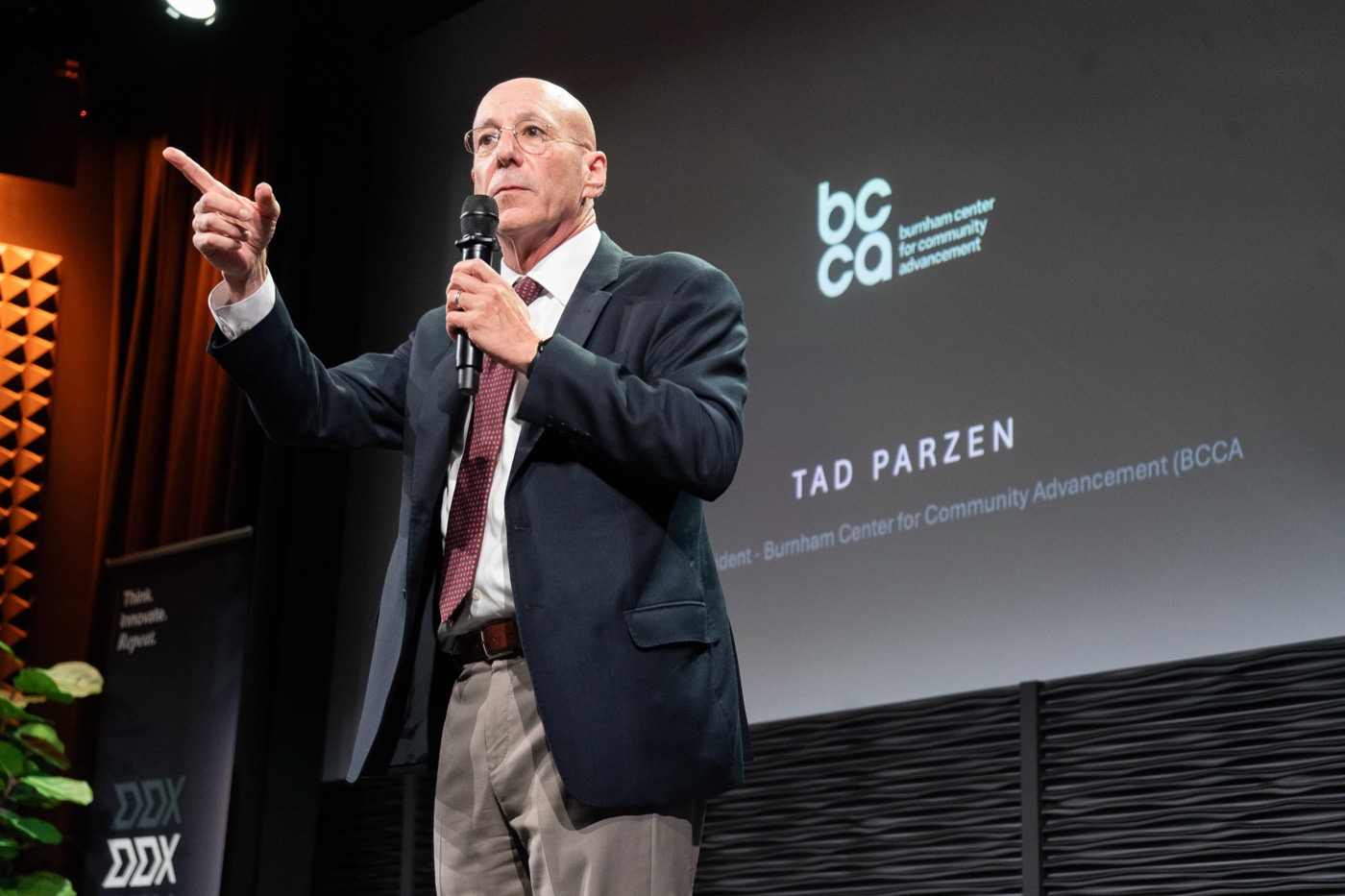
  1. WelcomeTad Parzen (BCCA), Sebastian Gier, Scott Robinson
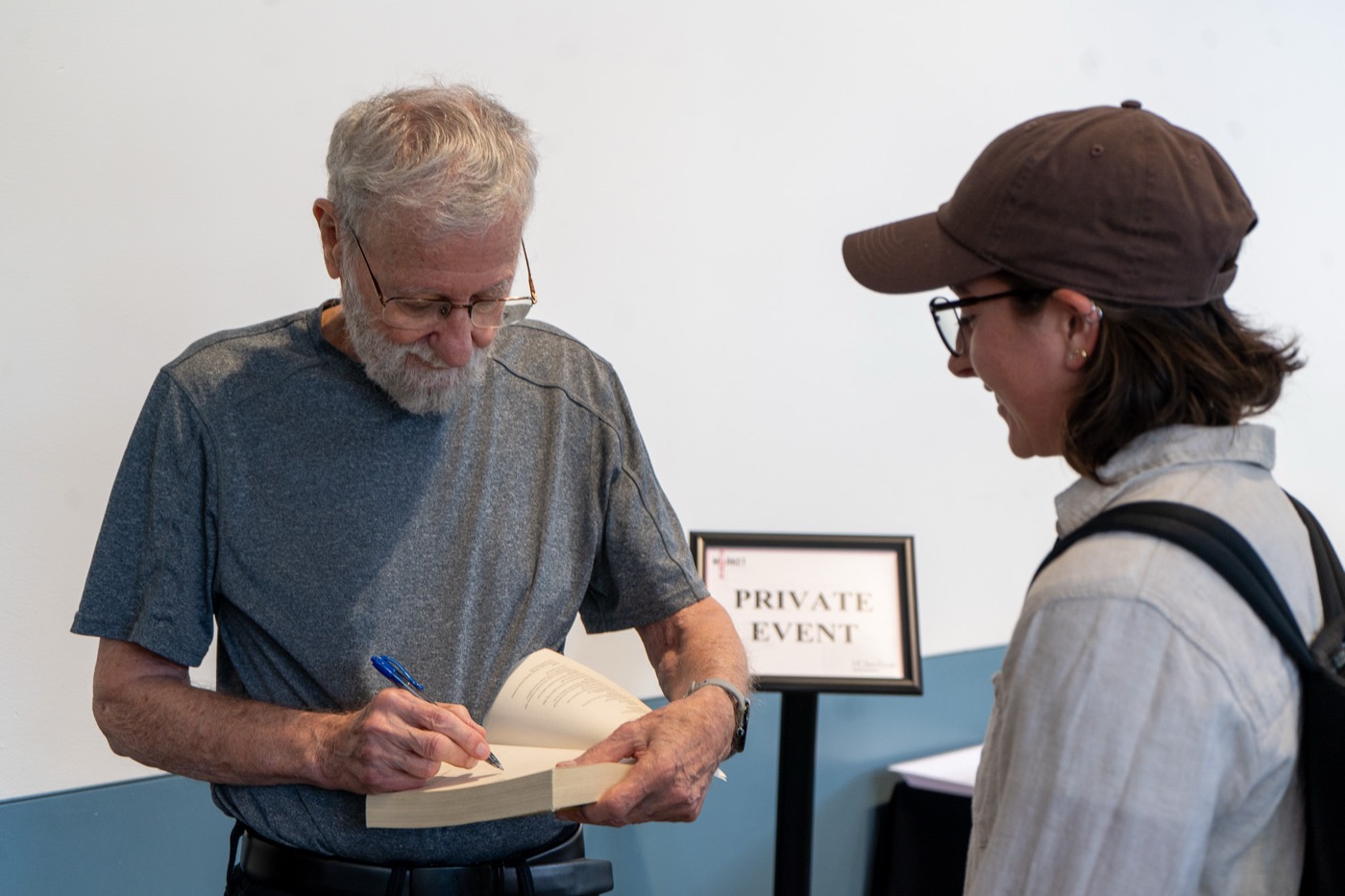
  2. The State of Humanity-Centric InnovationDon Norman · fireside chat & open Q&AKeynote
  3. Industry insights from the global DDX seriesSebastian Gier
  4. F*** Productivity: Make Space for Creative JoyStephanie Mencarelli, AdobeTalk
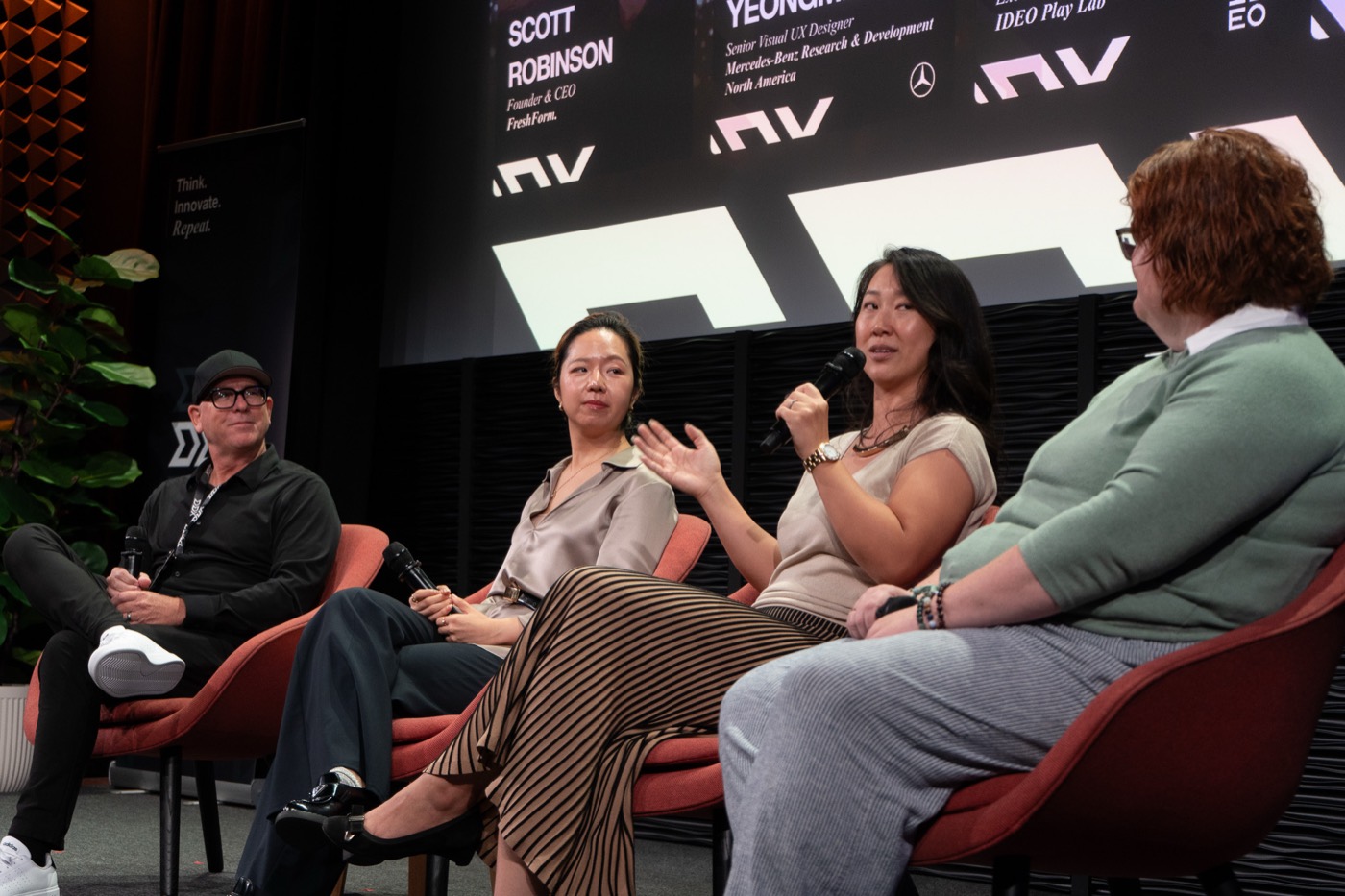
  5. Drive, Play, Eat. Lessons learned from designers shaping our cultureScott Robinson, Elizabeth Yeongmin (Mercedes-Benz), Diana Tobey (IDEO), Kara FitzpatrickPanel
  6. Design Isn’t Dead, It’s Just Getting Harder to Be GreatRichard Ward, Otter.aiTalk
  7. Design Didn’t Change – AI Just Exposed What Was MissingKevin Wong, WebflowTalk
  8. Systems, Prototypes, Patterns, and Products: Closing the Design-to-Dev GapScott Robinson (FreshForm), Alexander Danilowicz (Magic Patterns)Talk
  9. The Rise of the Experience EconomyAnn Kostopanagiotou, Twisha Shah-Brandenburg, Diana Wolosin, Dave Rowley · moderated by Sebastian GierPanel
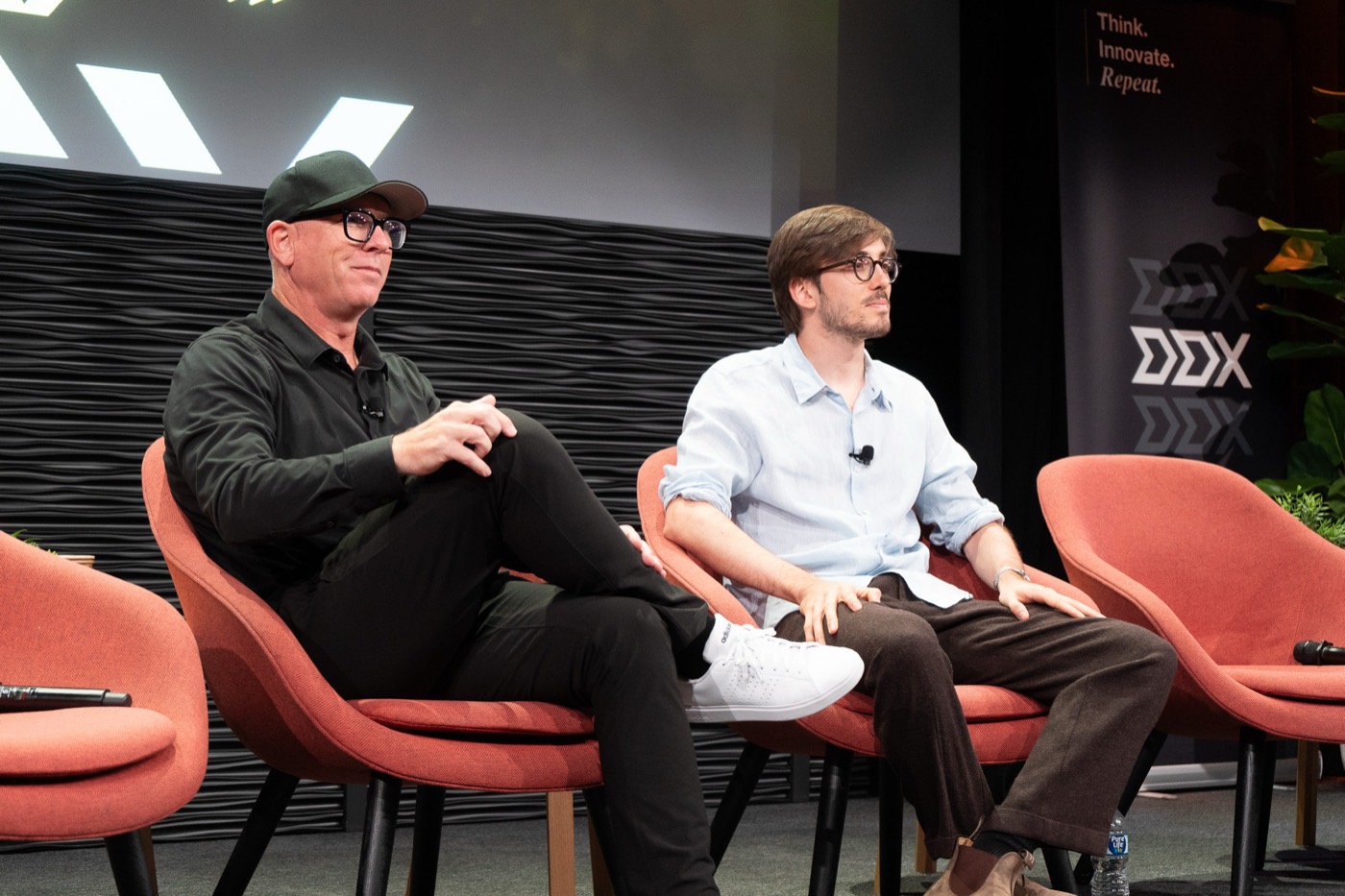
  10. Expectations and realities of being an enterprise design leader todayLauren Hughes, Stephanie Mencarelli, Kevin Wong · moderated by Sebastian GierPanel

Forum Space

  1. The User You Designed For Doesn’t ExistRowan Salama, Careem (Uber)Talk
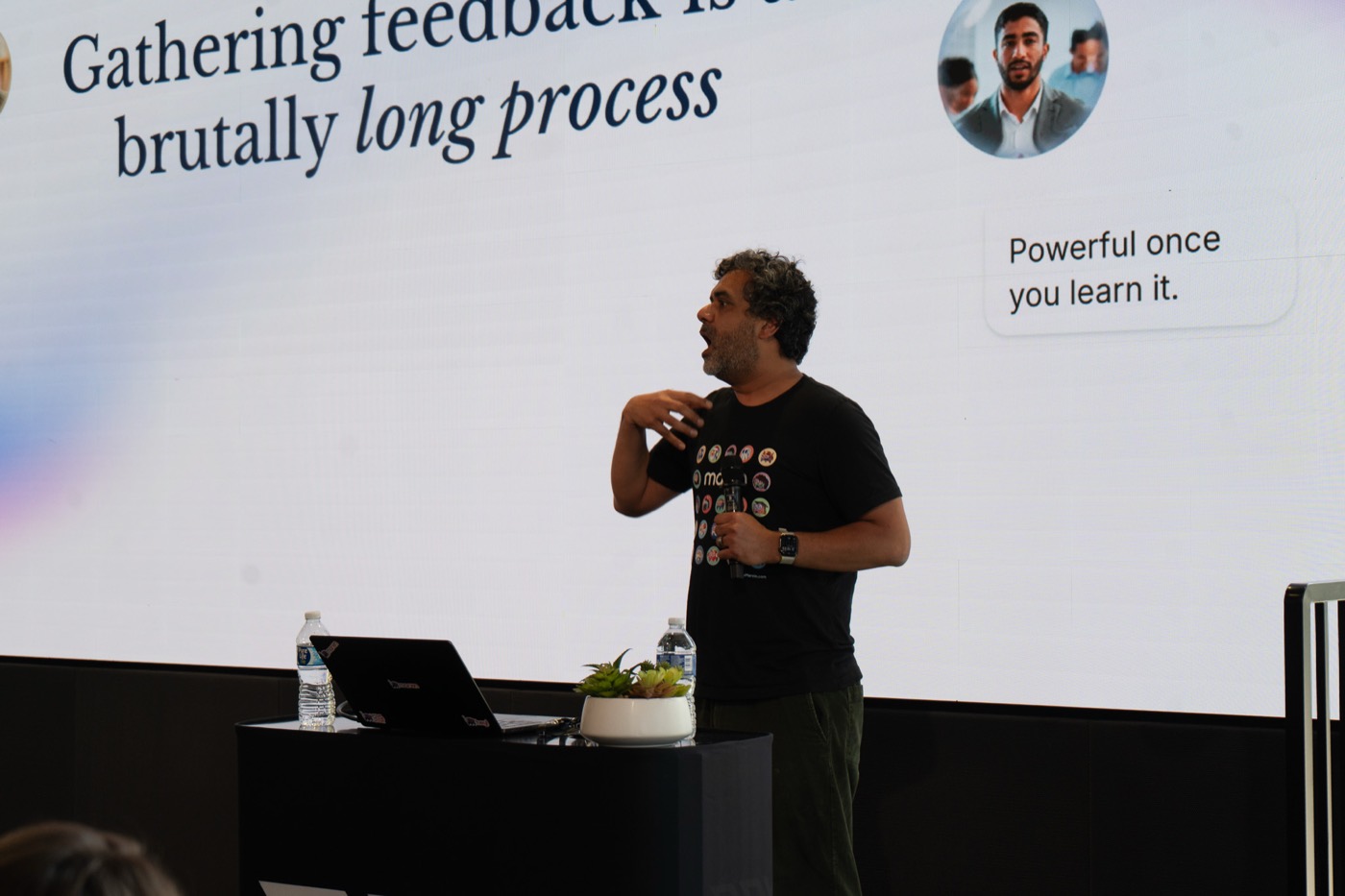
  2. Always-On Customer Research for the AI EraPrayag Narula, MarvinTalk
  3. From AI Experimentation to Agentic Transformation: Lessons from UX and DesignBrandon Burlington, GoogleTalk
  4. Ship an AI feature that actually works for your usersHarriet Swan (GAIN), Katie Niles (TaylorMade)Talk
  5. Stop Designing Screens. Start Designing Decisions.Chris Gielow, UX SpeakeasyWorkshop

Executive Space

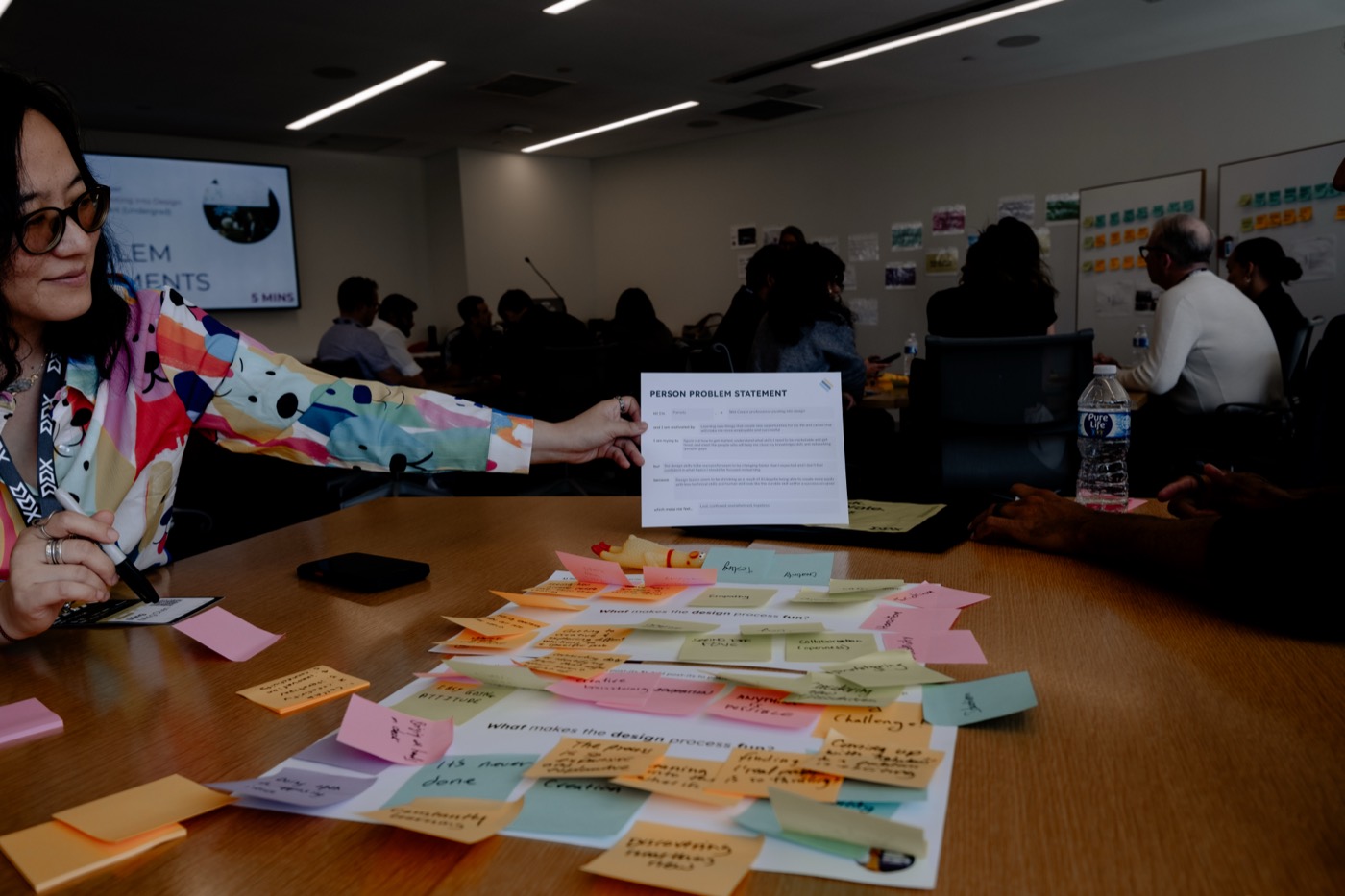
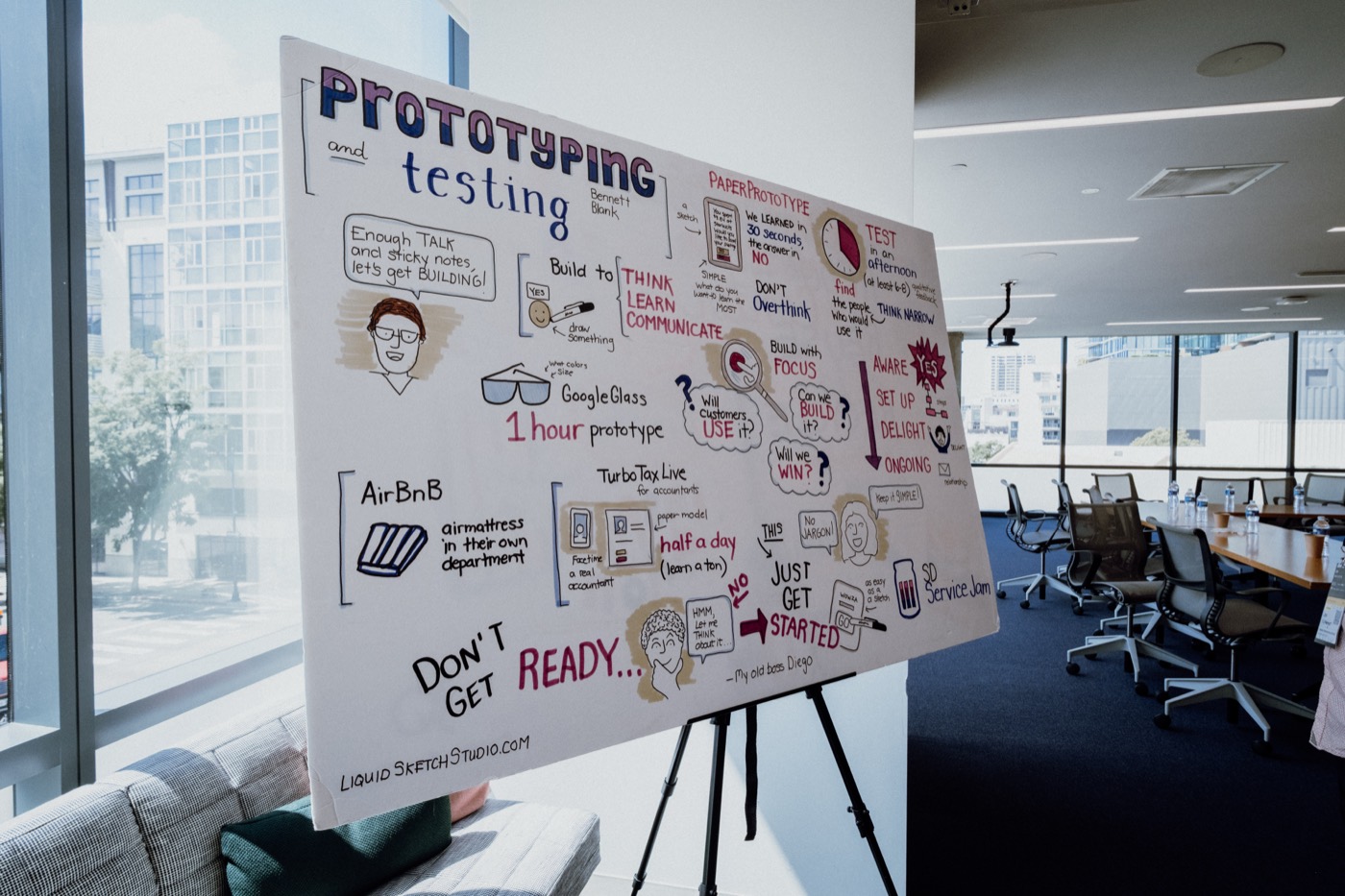
  1. Service Design / Service JamBrian LeDuc (Learning Designed), Grace Rieger LeDuc (Oteemo) · 90 minutes, no slidesWorkshop
  2. Playful Career Experiments for Thriving in the AI EraDiana Tobey, IDEOWorkshop
  3. From Optimizing Interfaces to Designing OrganizationsTwisha Shah-Brandenburg, TargetWorkshop
  4. Happy HourHosted by Marvin & Dscout · Lobby · food, drinks and open networking until 20:30After

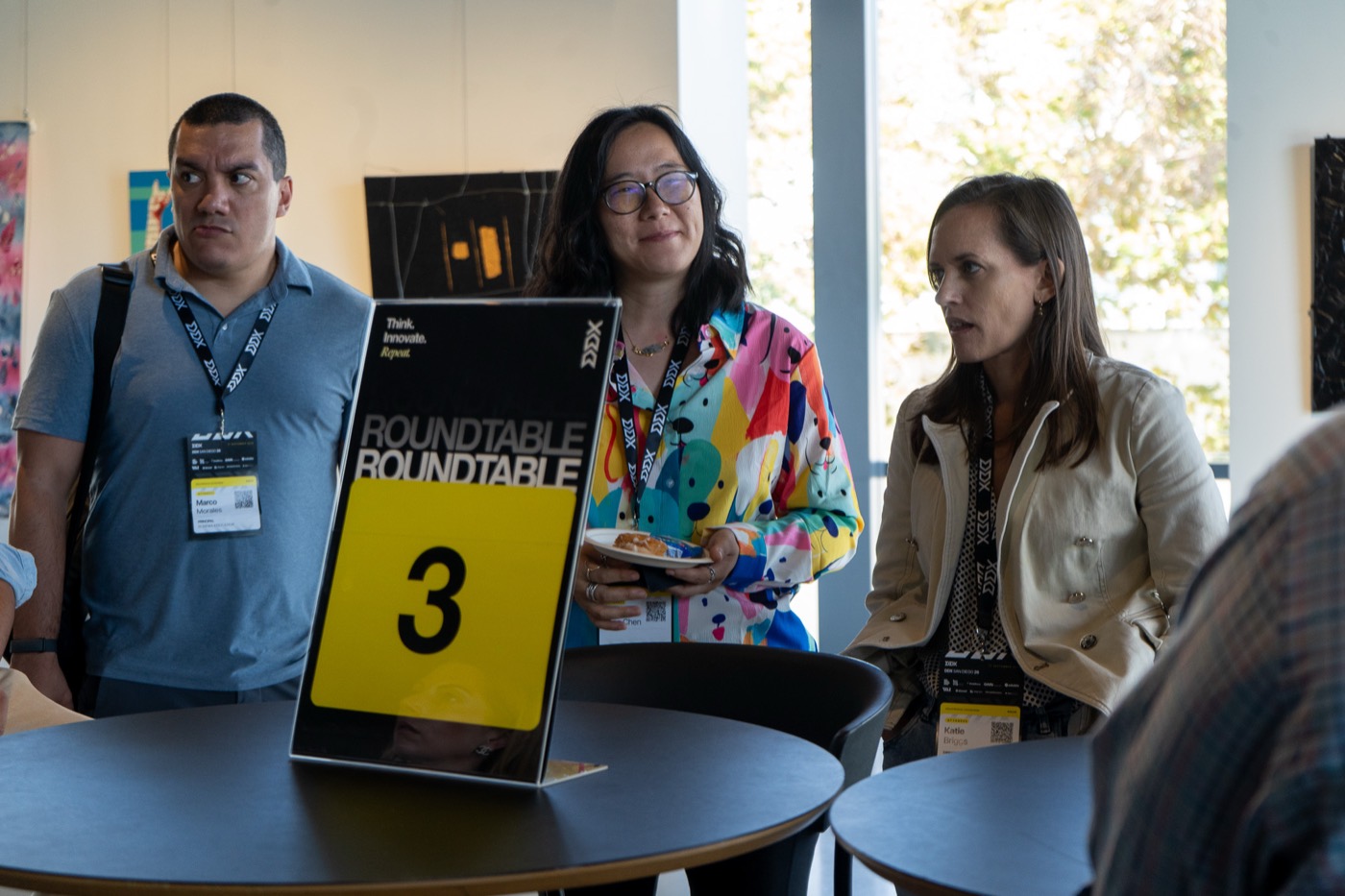
Table talks in the breaks

  • Your Customer Is Not HumanScott Robinson, FreshForm · 11:00
  • The Rise of Context Engineers, Your Next Career PathDiana Wolosin, Netflix · 11:00
  • AI: Enhancing Experiences or Adding Complexity?Brianna Koch, SDXD · 11:00
  • Are Relationships Part of the Work?Alex Diener, Dexcom · 15:00
  • AI Interviews: Hype or Here to Stay?Prayag Narula, Marvin · 15:00
  • Shipping AI features that work for your users and your businessJaleesa Chagan, GAIN · 15:00
  • Play Your Hand: An MCP Roundtable for Design, Product and InnovationAJ Azzi, Askable · 16:30
  • Human-Centered Design in the Age of AIJordi Morillo, Insulet · 16:30
  • AI Moves Fast. Research Still Has to Lead.Bhavik Gandecha, Dscout · 16:30
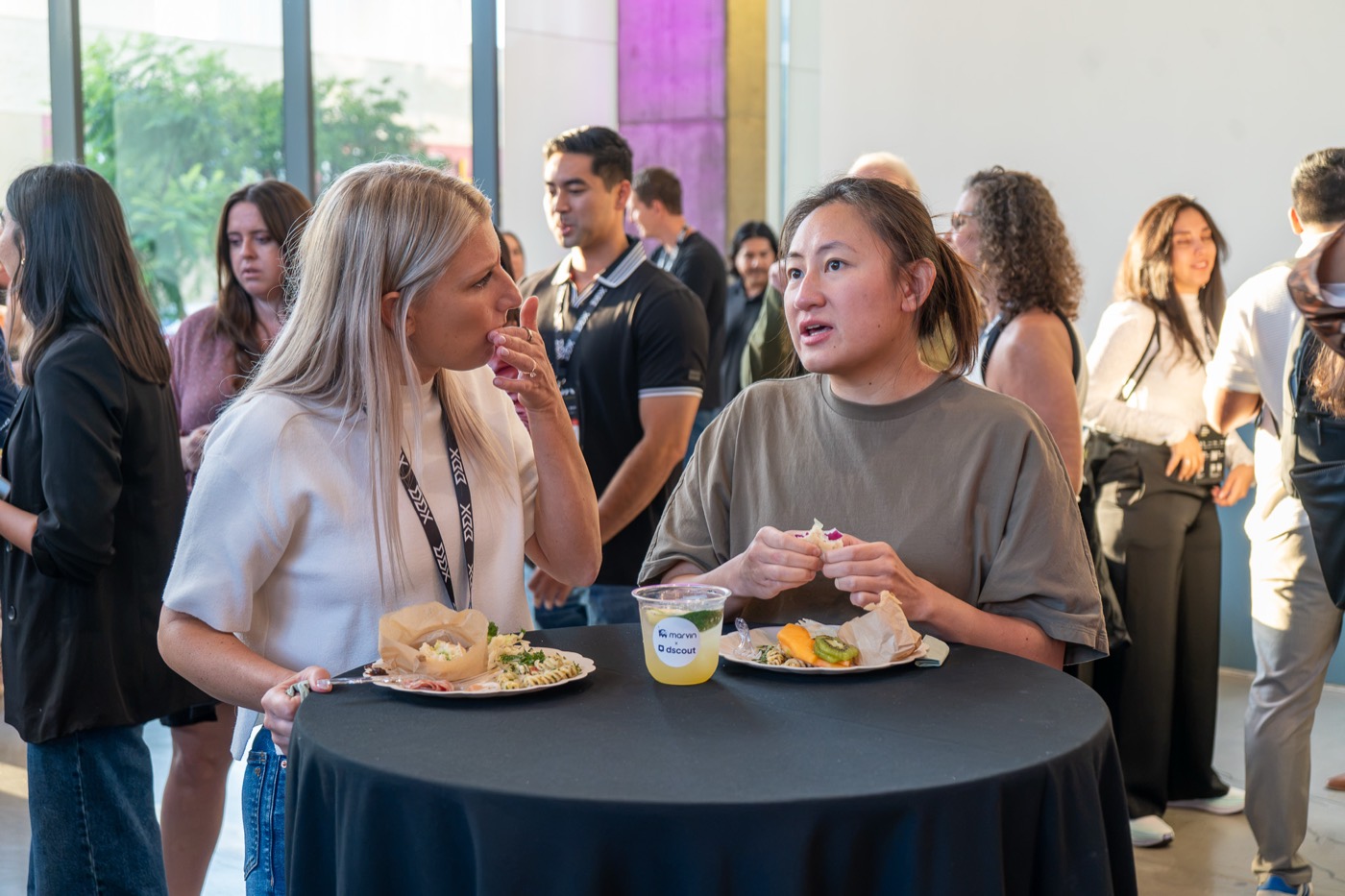
The roomPhotos by Desmond Chua and Nicole Gosé

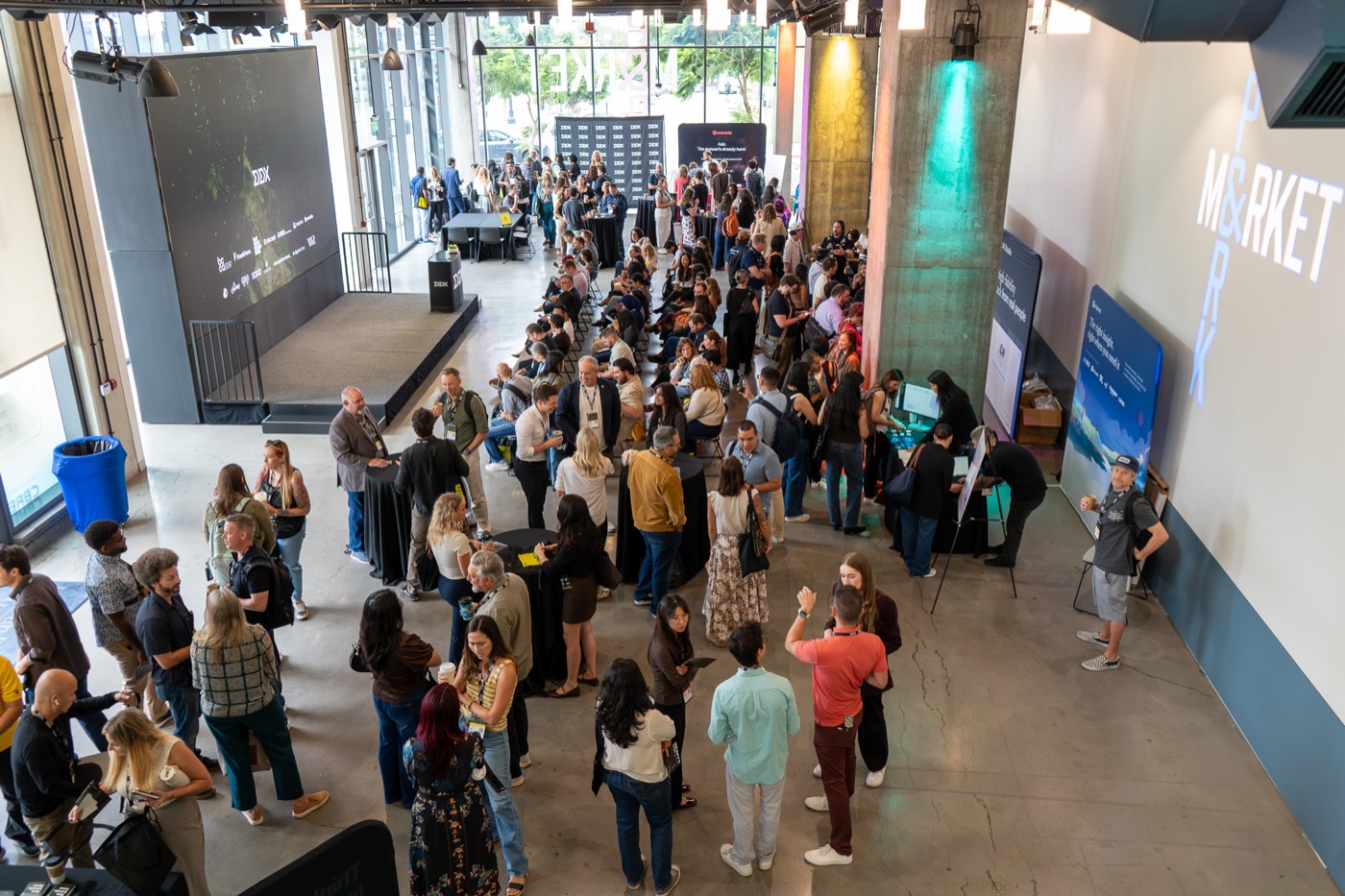
Who was there, and what it looked like

Partners

Made possible by

FreshFormBCCADon Norman Design Award MarvinDscoutGAIN ConversionAskableMondo RobotJ.S. HeldEdenspiekermannAppsfactorySan Diego Design WeekFriends of Figma San DiegoSDXDUX Speakeasy
The series continues

Same exchange, next city

SourcesAll external figures published in 2026
  1. Designer Fund with Foundation Capital, AI in Design 2026: The Inflection Point Is Here, May 2026. 900+ designers, 60+ countries.
  2. Figma, Figma’s 2026 AI Report, June 2026. 8,403 survey responses and 639 interviews across 10 markets.
  3. Figma, State of the Designer 2026, February 2026. 906 digital designers surveyed by NewtonX: 91% say AI improves the quality of their designs.
  4. Maze, The Future of User Research Report 2026, March 2026. Nearly 500 researchers, designers and product professionals.
  5. McKinsey & QuantumBlack, The State of AI in 2026: On the Road to ROI, August 2026. 1,719 respondents.
  6. Gartner, 50% of consumers prefer brands that avoid GenAI in consumer-facing content, March 2026, and 49% say GenAI has made content quality worse, June 2026.
  7. BCG, AI Radar 2026: As AI Investments Surge, CEOs Take the Lead, January 2026. 2,360 executives, 16 markets.
  8. Stanford HAI, The 2026 AI Index Report, April 2026.
  9. Adobe, 2026 AI and Digital Trends Report, February 2026. 3,000 executives and 4,000 consumers surveyed by Oxford Economics.
  10. Pew Research Center, Americans and AI 2026, June 2026: 49% of US adults use AI chatbots, 63% say AI is advancing too quickly.
  11. Nielsen Norman Group, State of UX 2026: Design Deeper to Differentiate, January 2026, which calls 2026 “the year of AI fatigue” and names trust as the major design problem for AI experiences.
  12. DDX programme and speaker roles: ddxconference.com/sd-agenda. Attendance and alumni figures: DDX registration data and ddxconference.com/sandiego.